Applications open 1 Oct 2026

BICS Eligibility Checker

The British Industrial Competitiveness Scheme (BICS) can cut eligible Great Britain manufacturers’ electricity bills by up to 25% from April 2027. Check your site against the real SIC code, HS code, 33 MWh and electricity-share tests in under a minute. Then let Lloyd Energy help you apply, and cut the electricity you buy in the first place.
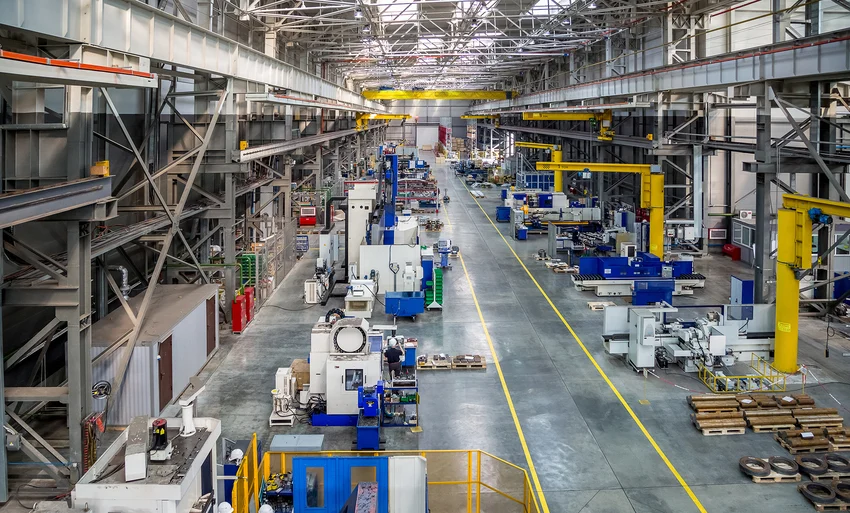
UK Metal Manufacturing Facility BICS Energy Optimisation
DESNZ & BICS Scheme Compliant
Official Sector & HS Product Code Matching
33 MWh
Minimum grid electricity a site must use each year to qualify
£40 /MWh
Maximum reduction in electricity costs under the scheme
30 Nov
Final deadline to apply for year one support
How BICS works

Three tests decide whether your site qualifies.

BICS exempts eligible manufacturers from the indirect costs of the Renewables Obligation, Feed-in Tariffs and the Capacity Market. Your site has to pass all three tests below, and the third one decides how much of the exemption you get.

01-Test One

Your sector

Your site must manufacture in one of the listed frontier or foundational industries, set by four digit SIC 2007 codes, and make products on the eligible HS code list.

02-Test Two

Your electricity use

The site must draw at least 33 MWh of grid electricity a year, evidenced by more than 16.5 MWh across a six month period in the last twelve months.

03-Test Three

Your share of use

How much of that electricity goes on the eligible manufacturing itself. This sets your exemption band, from nothing at all to the full amount.

Exemption bands under test three
25% or less of site electricity used for eligible manufacturing 0% Exemption
More than 25% but less than 50% 50% Exemption
50% or more 100% Exemption
Free eligibility check

Check your site against the real criteria.

A few short questions about your business, your product and your electricity use. Indicative only, the formal determination comes from the government's own process. Whichever way it goes, there is a saving worth having at the end of it.

Step 1 of 6 Lloyd Energy

Find your registered UK company

We check your business against the real, registered SIC codes at Companies House, so this is matched against your actual record rather than a guess at your sector.

What does the site actually make?

Please describe the specific products manufactured at this site.

BICS also checks the product against a separate product code list (HS codes); we review this manually.

Do you manufacture in the UK?

Select the manufacturing status for the operations you want evaluated.

How many UK sites?

How many operating UK manufacturing sites does your company manage?

Annual grid electricity

Enter your site's annual grid consumption or estimated annual electricity spend.

kWh / year
Note that BICS needs at least 33,000 kWh (33 MWh) a year and more than 16,500 kWh in a six month period.

Share of electricity used on eligible activity

What proportion of the site's total grid electricity is consumed directly by the eligible manufacturing process?

Send me my BICS review

Request a detailed breakdown from Lloyd Energy energy specialists and find out how to maximize your savings.

We have got it.

Our energy specialists at Lloyd Energy will review your details against the official BICS guidelines and get in touch with your report.

Free BICS eligibility checker

Answer six short questions. We read your company’s registered SIC codes from Companies House, test your electricity use against the 33 MWh threshold and estimate your likely exemption band. The result is indicative, because the government makes the final decision when you apply. Either way, there is a saving worth having at the end.

BICS key dates: one application window for year one

You can make one application per company each year, covering all your sites, and it cannot be amended after you submit it. Gathering six months of bills, MPANs and product evidence takes longer than most businesses expect, so start now.

Date What happens
1 October 2026 Application window opens. You apply once as a legal entity and list every site you want covered.
30 November 2026, 11:59pm Window closes. Miss it and you miss year-one support.
January 2027 Decisions confirmed by the second week, with complex cases running to the end of the month.
April 2027 Exemption from Renewables Obligation and Feed-in Tariff costs starts.
October 2027 Exemption from Capacity Market costs starts.
5 years An approved exemption is valid for five years, with annual declarations and a full review in year two.

Whatever the answer was

BICS cuts the price per unit. We cut the units.

An exemption discounts the electricity you were going to buy anyway, and only for as long as the scheme runs. Cutting consumption is the bigger and more permanent number, it is typically 10 to 15% on a manufacturing site, and it does not depend on qualifying for anything. If you get BICS the two stack. If you do not, this one still stands on its own.

7 to 12%
Voltage Optimisation
Fitted at your incomer · Heavy motor load savings

UK mains arrives hotter than industrial plant needs and the excess is wasted as heat. Bringing the whole site down typically saves 7 to 12% on a heavy motor load, with payback inside 12 to 18 months.

How Lloyd Energy Optimisation works

01-Evidence and monitoring
Pulse Monitoring

Half hourly data by site, which is exactly the evidence a BICS application needs. Pulse also verifies every saving afterwards against a baseline you sign, to IPMVP standard.

02-Intelligent Control
Pulse Control

Eight control modules on one platform covering HVAC, lighting, hot water, refrigeration, pumps and compressed air. Start with one asset and grow it across the site.

Questions we get asked

The British Industrial Competitiveness Scheme, explained.

BICS is a government scheme that exempts eligible UK manufacturers from the indirect costs of the Renewables Obligation, Feed-in Tariffs and the Capacity Market. Those levies sit inside your unit rate, so removing them is worth around £35 to £40 per megawatt hour, which the government puts at up to 25% off an electricity bill. Over 10,000 businesses are expected to qualify. Applications for year one run from 1 October to 30 November 2026.

Eligible businesses must be UK-registered manufacturers operating within qualifying sector SIC 2007 codes and manufacturing products listed on the government's eligible HS code list. In addition, the site must consume at least 33 MWh of grid electricity per year and pass the share of use threshold.

The exemption level depends on Test 3 (share of electricity used on eligible manufacturing): 25% or less = 0% exemption; more than 25% but under 50% = 50% exemption; 50% or more = 100% exemption.

You will need 12 months of half-hourly electricity data (MPAN data) or electricity bills showing at least 33 MWh annual usage, including evidence of more than 16.5 MWh consumed over a 6-month period.

If you miss the 30 November 2026 application deadline, you will miss out on Year 1 relief and must continue paying full levies until the next annual application window opens in 2027.

The BICS scheme replaces and streamlines existing EII relief mechanisms. Our team at Lloyd Energy can review your existing Supercharger status to determine the transition impact.

No, this checker provides an indicative assessment based on self-reported data and published criteria. Official determination is issued directly by DESNZ / gov.uk following application submission.

Yes! BICS reduces your unit price levies, while consumption reduction measures (such as Voltage Optimisation and Pulse Control) reduce total units used. The two savings compound together.

If your site does not qualify for BICS, Lloyd Energy can still achieve 10 to 15% reduction in electricity costs through on-site optimization equipment without relying on scheme qualifications.
Before the window opens

Two answers worth having, not one.

Send us your site details and your electricity bills. We will tell you where you stand on BICS, and separately what you can cut whether or not you qualify.

Sector and product codes checked against published lists
Consumption evidence pulled together site by site
An estimate of what the exemption is worth to you
A costed view on further 10 to 15% consumption cuts